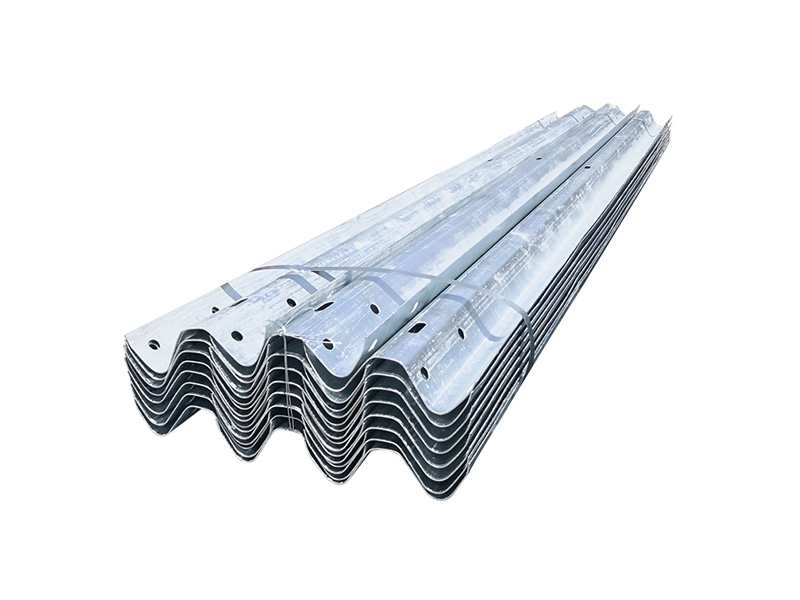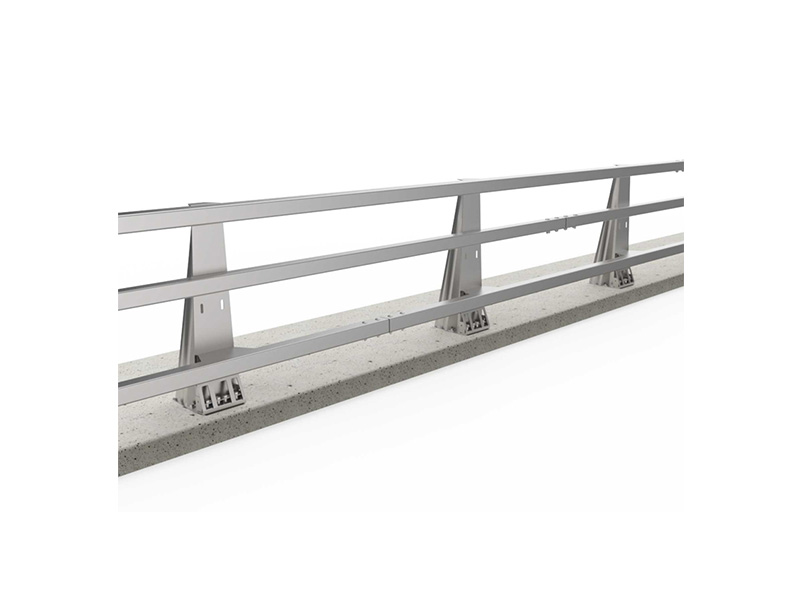
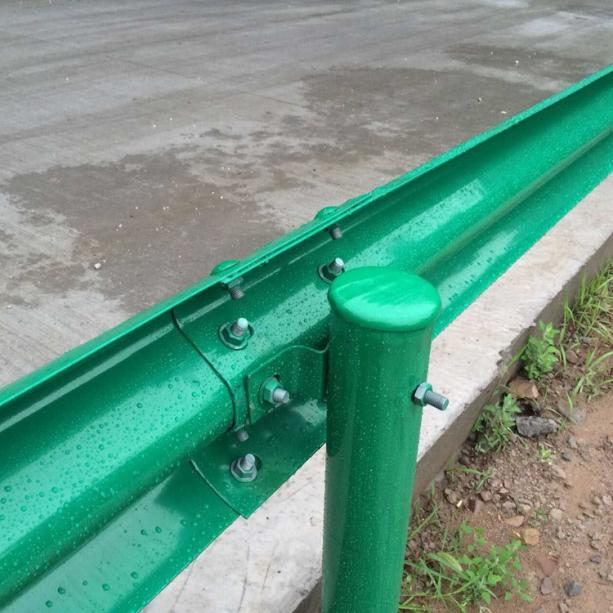
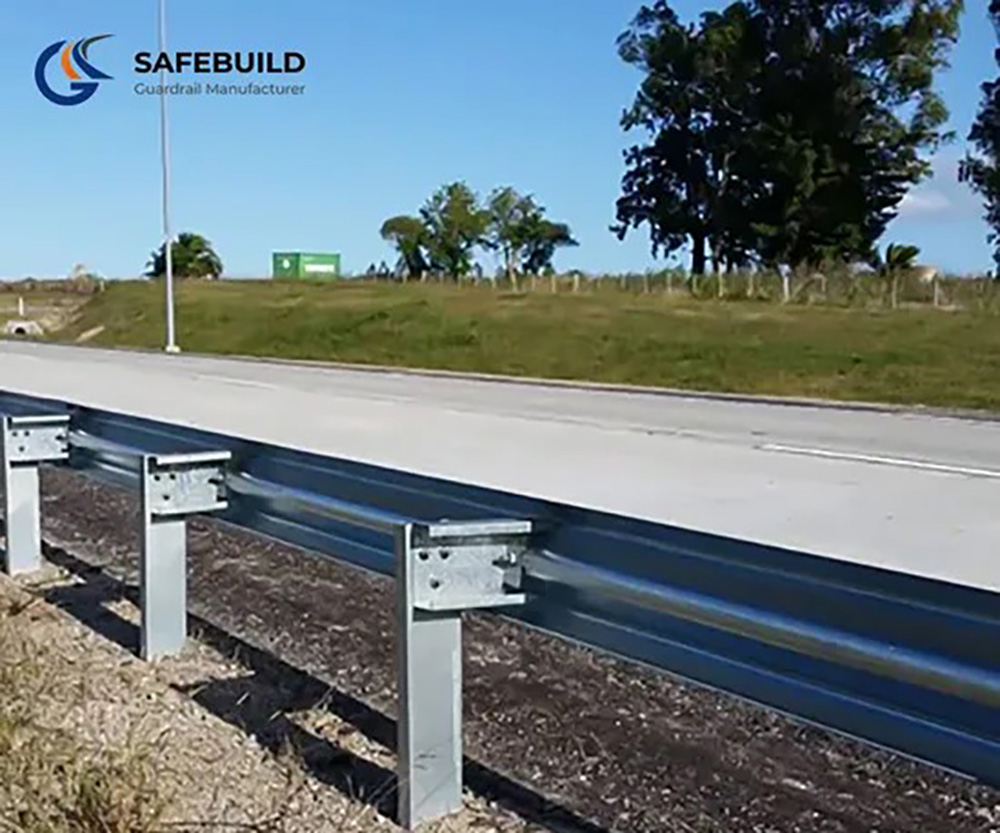
This document introduces the Round Post W Beam Guardrail System for the Southeast Asian market. Composed of W beam, bracket and round post, it features rigid-flexible structure, cost-effectiveness and easy installation, suitable for highways, bridges and slopes. The product complies with EN 1317, MASH, ISO 9001 and local certifications of many countries, widely applied in Southeast Asia, South Asia, Africa, the Middle East, Eastern Europe and Latin America as a cost-effective road safety solution.
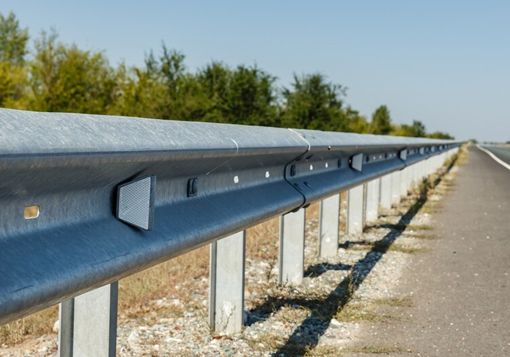
This document introduces the W Beam Guardrail System, a mainstream road safety product with excellent energy absorption, crashworthiness, easy installation and high weather resistance. It highlights the C Post + T Spacer + W Beam structure, where the T Spacer evenly distributes impact force and improves stability and installation efficiency. The product has obtained CE marking for the EU market and BV certification for Latin America, complying with global standards and providing a safe, practical and internationally adaptable road safety solution.
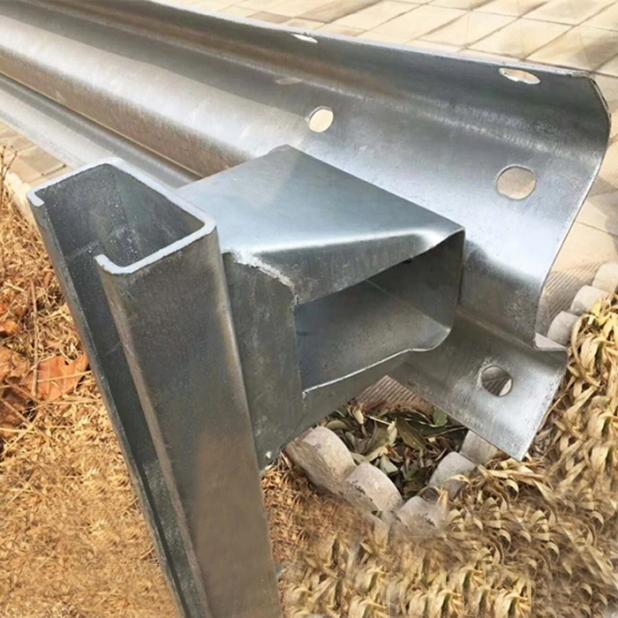
This document introduces the GS2/GS4 W Beam Guardrail System, a core semi-rigid road safety facility. Originating in France and widely used globally, GS4 differs from GS2 only in post spacing. Composed of C posts, box spacers and W beams, all components share the same material and anti-corrosion treatment, forming an integrated rigid-flexible protective system via welding-free bolt assembly. Its specifications are adjustable and it suits various installation methods. Compared with traditional guardrails, the system features superior protective performance, easy installation and maintenance, and wide adaptability.
This document analyzes the core AASHTO standards for U.S. highway engineering, the universal norms for American highway construction, covering all highway fields and adhering to the principles of safety, functionality and suitability. It features strong field applicability and rigorous quantitative technical requirements, specifying various indicators for components such as guardrails, integrating mainstream standards and balancing local and international units. The standards adopt a balanced quality control approach, embed life-cycle management, evolve with the industry, and their core concepts serve as an important reference for global highway engineering.
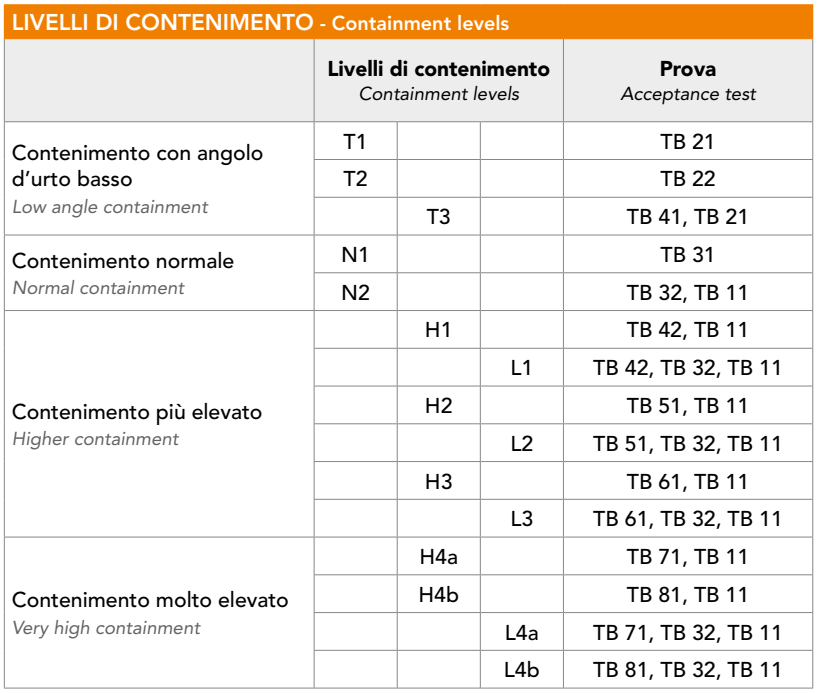
This document analyzes the EU's EN 1317, the core certification standard for road barriers, introducing its performance grading system centered on containment level, working width and impact severity as well as strict certification requirements, with a digital passport system added by the 2025 new EU regulation. It presents Safebuild's design drawings of various barrier products meeting different grades of the standard, compares EN 1317 with the US AASHTO MASH standard, and points out that EN 1317 has become a universal technical reference for global road barriers.
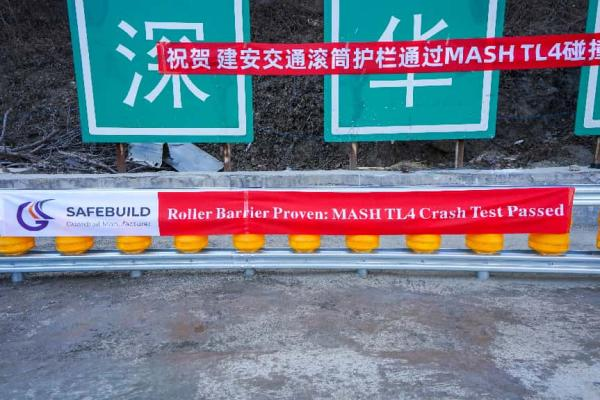
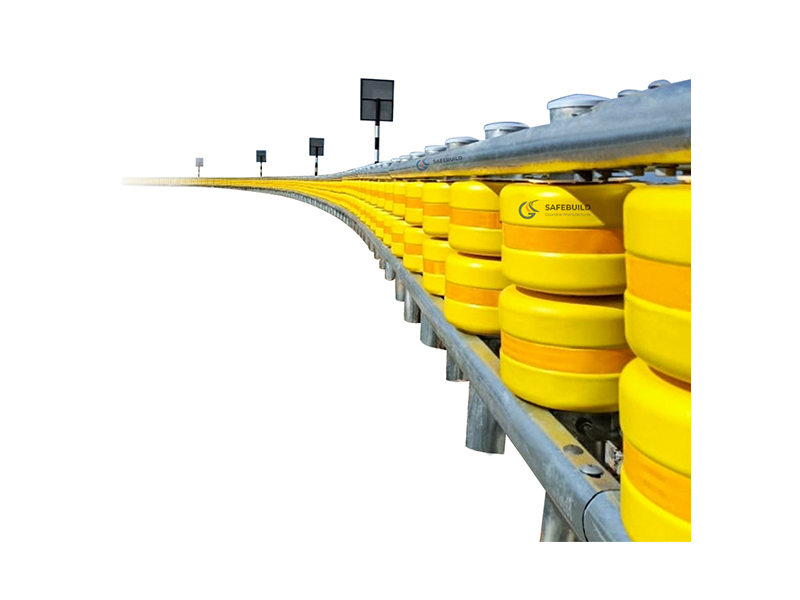
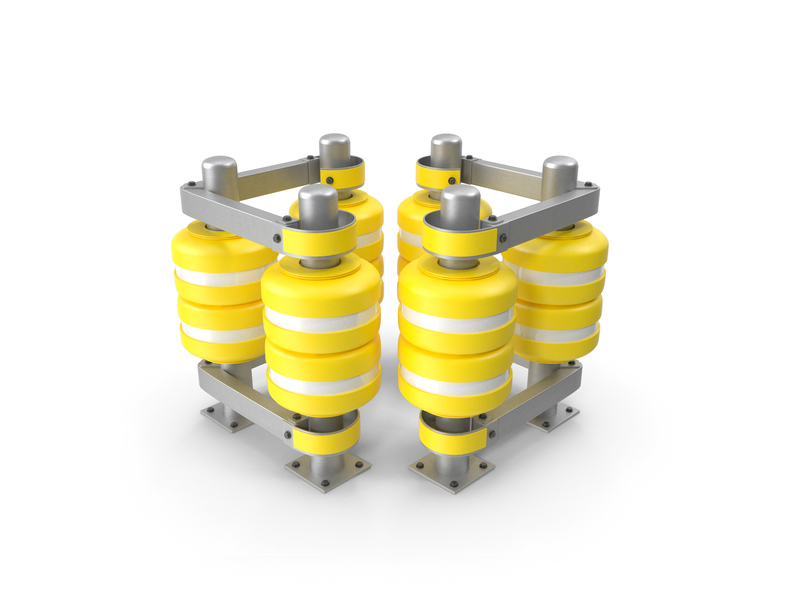
This document introduces that the roller barrier of Shandong Safebuild Traffic Facilities is the only domestic product passing the AASHTO MASH TL4 crash test. It explains its core principle of absorbing energy and guiding vehicles via rolling friction, presents its six core features, and also shows design drawings and lists specifications of 10 customizable rolling barrel accessories.
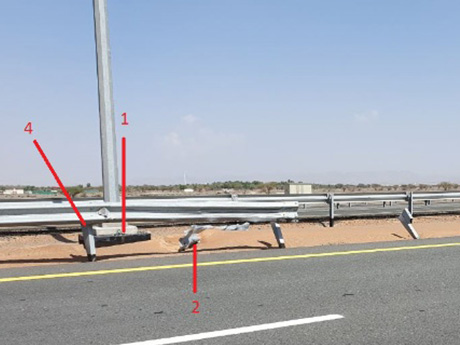
The performance of untested steel guardrail systems has been observed and commented on by experts in the field of the Middle East, with common observations showing that impacting vehicles have "splintered" W Beam Guardrails. This risk can be mitigated by using a system that has been tested to the standard (US NCHRP350 or MASH) such as Ezy-Guard.
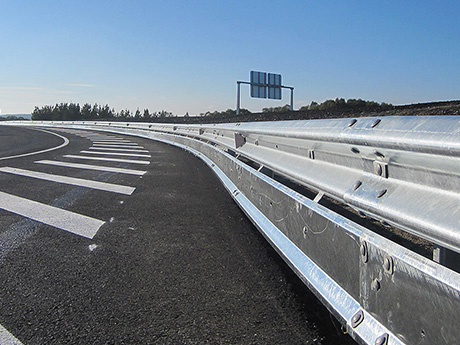
In order to improve road safety, Chinese highway guardrail standards are constantly improving. This paper will briefly introduce the evolution of Chinese highway guardrail from the surface treatment of waveform guardrail and the standard specification from two angles.
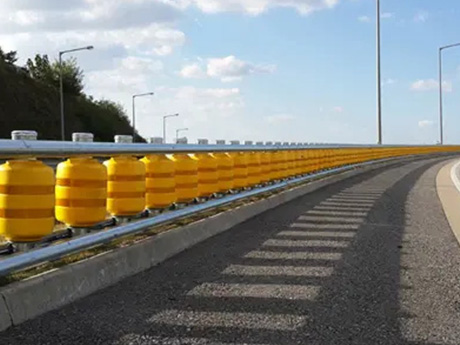
Studies have shown that approximately 1.25 million people die in road accidents each year. Any research that can be used to reduce this number would be a welcome move. In many cases, vehicles hit guardrails on the side of the road, and this impact can cause greater injuries. Originating in South Korea, rolling barrier technology was created, a rotating guardrail technology that will increase the likelihood of saving lives.


admin@jiantraffic.com
+86-06358219188
8613906350752
Guanxian Economic Development Zone , Liaocheng City, Shandong Province,China
 English
 Russian
 French
 Spanish
 Portuguese
 Arabic
 Malay
Malay Hindi
Hindi